Key takeaways
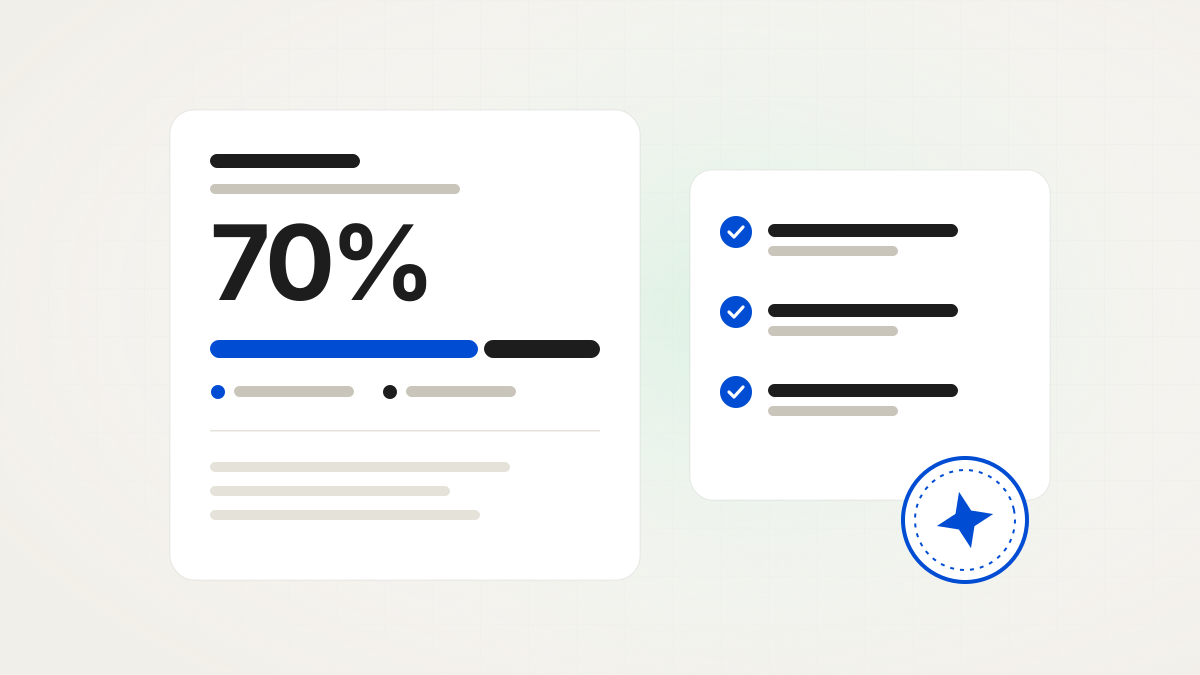
- The SME Packages – Digital reimburse 70% of eligible costs for projects between €3,000 and €25,000 excl. VAT, up to €17,500.
- A pre-assessment with the House of Entrepreneurship or the Chambre des Métiers is mandatory before any application.
- Funding is paid as a reimbursement after the final invoice is settled, so plan your cash flow.
The SME Packages – Digital programme lets your company have up to 70% of a digitalisation project funded by the Ministry of the Economy. The funding is available and generous, yet many business owners in Luxembourg give up because they don’t know where to start. Here, step by step, is how to build a strong application.
What the programme actually funds
SME Packages – Digital goes beyond building a website. The programme supports any digital solution that improves your online communication or business management. The Ministry of the Economy recognises three eligible areas: digital marketing (building or redesigning a website, social media campaigns), management systems (tills, business software, ERP, CRM) and electronic invoicing.
That broad scope is exactly what makes the programme attractive for SMEs. You can use it to modernise a dated website, but also to structure your client relationships or comply with e-invoicing. The financial rules stay the same: the project must be worth between €3,000 and €25,000 excl. VAT, and the State reimburses 70% of eligible costs, up to €17,500.
Check your eligibility first
Three conditions decide access to the programme, and there’s no point going further if one of them isn’t met. Your company needs a business permit issued by the Ministry of the Economy. It must meet the European definition of an SME, meaning the thresholds for headcount, turnover and balance sheet total. Finally, its registered office must be in Luxembourg.
One technical point deserves attention: this funding falls under the de minimis scheme governed by Regulation (EU) 2023/2831. It therefore adds up with other small-scale aid your company has received over a rolling three-year period, within a shared ceiling. If you’ve recently received other grants, check this total upfront rather than discovering it during the review.
The pre-assessment: mandatory, not a formality
This is the step many people overlook, yet it’s the real starting point. Before submitting anything, you must complete a pre-assessment with the House of Entrepreneurship of the Chamber of Commerce, or with the eHandwierk service of the Chambre des Métiers if yours is a craft business. It’s mandatory: no application can be submitted without it.
Far from a box-ticking exercise, this meeting shapes your project. An adviser assesses your digital maturity, identifies priority actions and helps you complete the application form. Prepare properly: bring clear goals, a defined scope and ideally a budget estimate. The clearer your needs, the better the pre-assessment will steer your application.
The quote and choice of provider: the heart of the application
Once the pre-assessment is done, you choose your package and the provider who will deliver it. Together you prepare a quote, which must stay between €3,000 and €25,000 excl. VAT. This quote is the cornerstone of your application: the Ministry of the Economy reviews and approves your request on that basis.
Choosing the right provider therefore matters, and not just creatively. A partner who knows the process will produce a clear, readable quote, link each item to the eligible categories and anticipate questions during the review. At TradinGo, we structure our proposals with exactly this in mind, whether for building your website or a digital marketing strategy, so approval goes smoothly. Think about overall coherence too: a project combining a website redesign with better management tools is often more convincing than a standalone request.
Payment: how the reimbursement works
A crucial point to understand from the start: the funding is paid as a reimbursement, not in advance. You first pay your provider’s final invoice once the package is delivered, then receive the grant covering 70% of eligible costs. Your cash-flow plan needs to account for this, as the gap between payment and reimbursement can weigh on a small business.
The final step is an evaluation meeting. Once the provider’s work is complete, you review your satisfaction and the benefits achieved with your adviser. This evaluation officially closes the file and determines how smoothly the payment is processed. So document your project’s results: they justify the funding and help you measure your real return on investment.
Beyond Digital: a growing family of packages
The programme belongs to a recently expanded family of SME Packages. Alongside Digital, the Ministry of the Economy now offers packages dedicated to artificial intelligence, cybersecurity, sustainability and customer service. If your digitalisation touches several of these areas, it can make sense to move in stages and apply to each programme in turn rather than bundling everything into one application.
Integrating AI into your processes, for example, falls under a different package from your website redesign and deserves its own application.
Well prepared, the SME Packages – Digital programme can turn a project you’ve been putting off into a largely funded investment. The key comes down to three steps: check your eligibility, prepare the pre-assessment carefully and work with a provider who knows the programme. If you’d like support from eligibility to submission, see how we use the SME Packages – Digital for businesses in Luxembourg.